
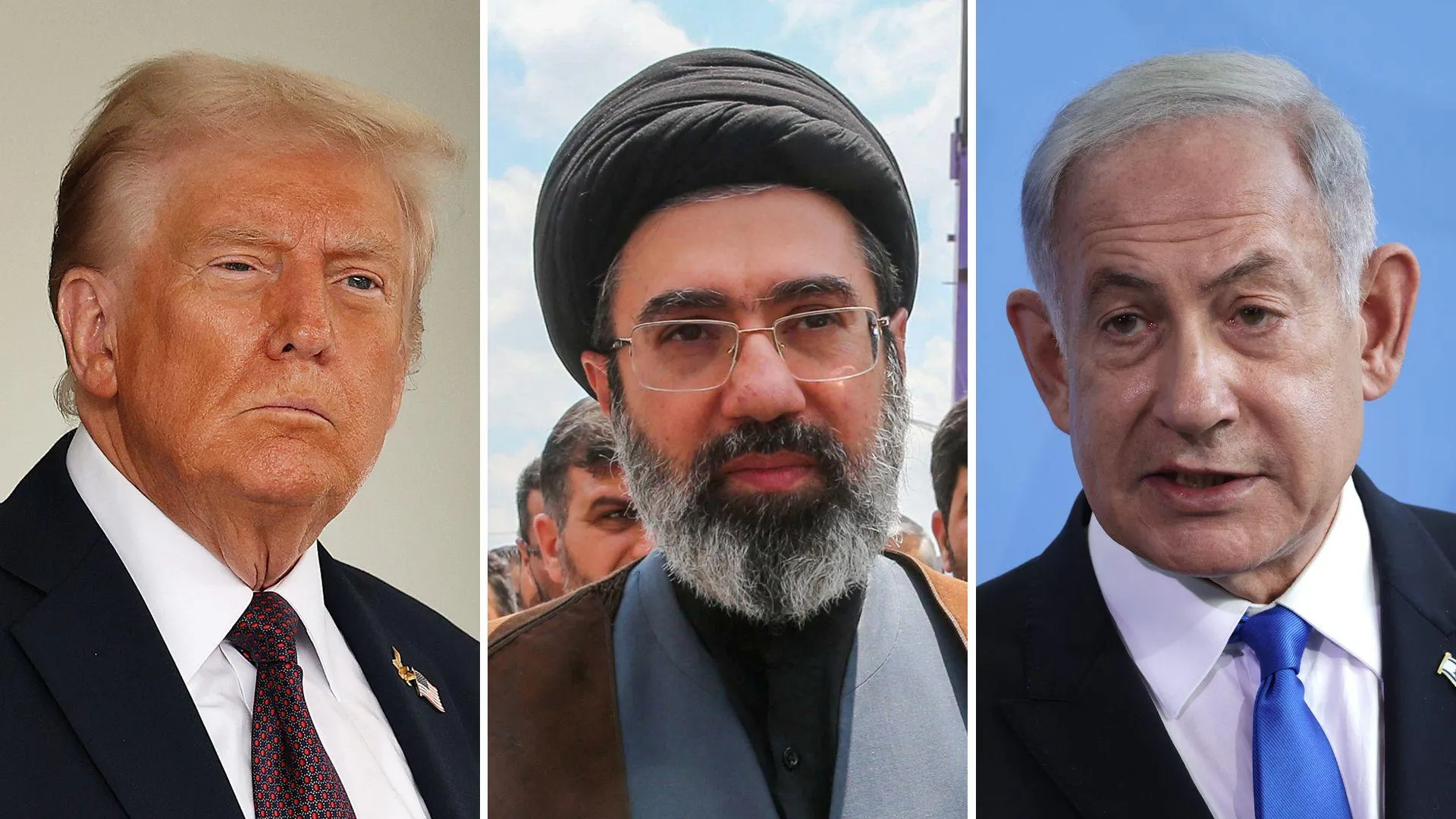
Security experts warn that a military confrontation with Iran may become inevitable in the coming weeks. Analysts suggest the Trump administration could pursue strategic strikes before January to preemptively address Iranian capabilities.
Strategic timing and the US political calendar
The window for potential military action against Iran is reportedly shrinking due to shifting political dynamics in the United States. Dr. Raz Cimt, Director of the Iran Program at the Institute for National Security Studies (INSS), indicates that President Donald Trump may reach a decision to act within days or weeks rather than awaiting a response from Tehran.
This acceleration is closely tied to the American political timeline. According to Dr. Cimt, an escalation is likely to occur before January, as the administration may seek to execute major strategic maneuvers before the new US Congress takes office following the midterm elections. This approach aims to address Iranian capabilities through proactive measures rather than reactive ones.
Avner Villan, a former senior security official, noted that while neither party is actively seeking a full-scale war, the current strategic impasse makes a new round of strikes highly probable. Villan argues that a significant military push may be the only way to shift the Iranian leadership away from its current trajectory.
Evolution of the Iranian nuclear threat
The nature of Iran's nuclear program has undergone a fundamental shift, moving from simple enrichment to the fortification of deep-underground facilities. Intelligence reports highlight the Mount Mashkoor site as a primary concern for international security agencies.
Dr. Cimt observed that while a sudden breakthrough has not been confirmed, there are clear signs of progress regarding the highly fortified subterranean developments at Mount Mashkoor. These deep-level facilities pose a significant challenge, as they are designed to be much more resilient to traditional airstrikes than surface-level installations.
Furthermore, a shift in Tehran's public rhetoric has emerged as a critical indicator of intent. Villan reported that recent Friday sermons in Tehran have begun to openly discuss the development of nuclear weapons for deterrence purposes. He warned that such public discourse often follows significant technical progress in clandestine facilities, similar to the patterns seen during the 'Amad' program between 1999 and 2003.
Technical and military obstacles to neutralization
Neutralizing Iran's nuclear and missile capabilities presents immense engineering and tactical challenges. One major obstacle is the management of Iran's enriched uranium stockpile, which includes approximately 400 kilograms of 60% enriched uranium. Much of this material is currently located in sites that have been previously hit and are buried under heavy rubble.
A successful operation would require more than precision munitions; it would likely demand a large-scale deployment of over 1,000 commandos and heavy engineering equipment to excavate through debris while managing the risk of landmines and improvised explosive devices.
The threat is further compounded by Iran's ballistic missile inventory. Dr. Cimt estimates that Iran possesses roughly 1,500 ballistic missiles, with approximately half of its long-range arsenal stored within deep underground tunnels. This subterranean storage makes the arsenal highly resilient to preemptive strikes and ensures a capacity for immediate retaliation against regional targets.
The debate over regime stability
While military strikes may degrade technical capabilities, experts remain divided on whether such actions could trigger regime change. Current indicators suggest the Iranian leadership is prepared for significant hardship and may view military pressure as a means to consolidate domestic support.
Villan described the atmosphere in Tehran as one of defiance, noting that while officials may face individual losses or strikes, they appear to believe the fundamental structure of the state will survive. This creates a strategic paradox: military operations intended to delay a nuclear breakout may inadvertently provide the Iranian regime with increased motivation to finalize its nuclear deterrent as a survival mechanism.
FAQ
What is the significance of Mount Mashkoor?
Mount Mashkoor is a critical site where Iran is reportedly developing highly fortified, deep-underground nuclear facilities that are resistant to traditional airstrikes.
How many missiles does Iran possess?
Dr. Raz Cimt estimates that Iran has approximately 1,500 ballistic missiles, about half of which are protected in subterranean networks.